Autistic adults report lasting mental health benefits from psychedelics

An online survey found high willingness to try psychedelics, common prior use, and reports of longer-lasting improvement linked to higher doses and meaningful experiences. Autistic adults in an online survey generally viewed psychedelics positively and many had already tried them. Reported higher doses and highly meaningful psychedelic experiences were associated with longer-lasting mental health improvements. […]
Parents of autistic children reported heavy strain and relied on coping rituals

A small Nepal-based qualitative study maps the emotional, social, and financial load—and how parents try to stay afloat. Parents raising children with autism in Nepal described intense psychological strain, physical exhaustion, social isolation, career disruption, and financial pressure. They also reported coping through crying, religious music (bhajans), meditation, and positive thinking, with some reframing their […]
When Campus Noise Becomes More Than a Nuisance: What a 2,080-Student Study Says About Sound Sensitivity, Autistic Traits, Social Skills, and Gender

The Cost of Campus Noise No One Talks About University life is loud. Residences hum with hallway chatter and slamming doors. Libraries shush but still buzz with keyboard clicks, sniffles, and whispering. Dining halls clang and lecture halls echo with coughs and pen taps. For many students, these are background noises. For others, they’re not […]
When Clumsiness Isn’t a Phase: What Parents Reveal About a Hidden Childhood Disability

“Clumsy” Isn’t Harmless: The Human Cost of a Hidden Diagnosis Many children are labeled “clumsy,” “messy,” or “uncoordinated,” and the assumption is that they’ll grow out of it. But for a significant group—about 5–6%—those motor challenges point to Developmental Coordination Disorder (DCD), a neurodevelopmental condition that shapes school, friendships, self-esteem, and family life. The research […]
Where We Look Shapes What We See: How Fixation Patterns Drive Face Processing in Autism
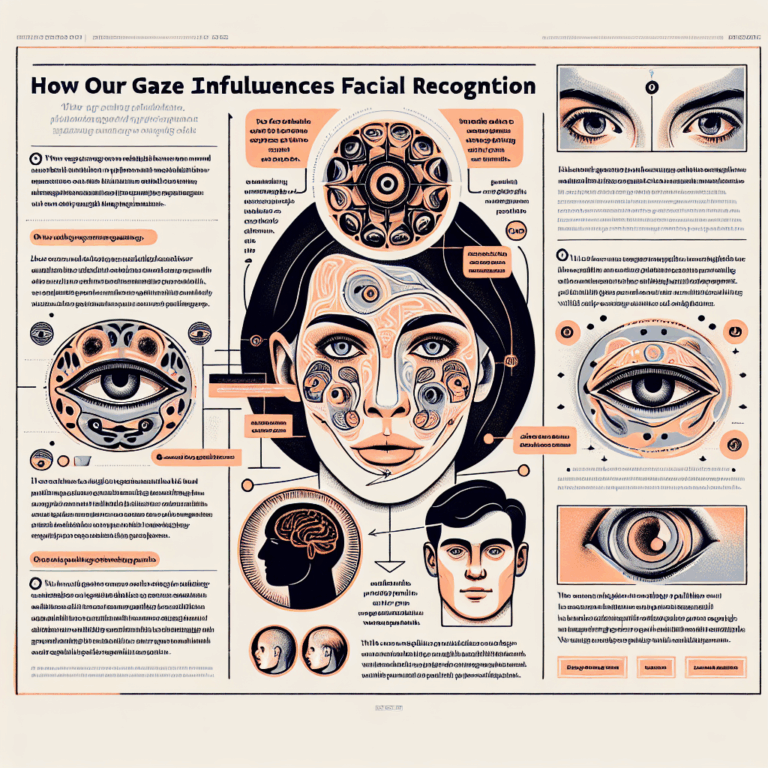
Why Eye Contact Feels Different—and What Fixations Reveal Eye contact is a social shortcut. With a glance, we gauge interest, trust, and intent. But for many autistic people, those few seconds can feel complicated—less like a shortcut and more like a traffic jam. A new research paper, Pattern of fixation explains atypical eye processing during […]
Three Quick Clues, One Big Decision: How Screening Tools Can Speed Up Adult Autism Assessments

When a Diagnosis Takes Years, Smart Triage Can Save Months Many adults wait months—or years—for a formal autism assessment, all while living with uncertainty, limited support, and stress in work and relationships. Clinics are overwhelmed by rising referrals, and clinicians must balance thoroughness with the reality of long queues. A new research paper, Investigating the […]
Parents on the Front Line of the SEND System: What Helps, What Hurts, and What Changes Lives

When Getting Help Becomes a Full-Time Job for Parents For many families in England, getting support for a child with special educational needs and disabilities (SEND) feels less like a service and more like a battle. The stakes are high: the right help can unlock learning, protect a child’s mental health, and make family life […]
From Coaching to Connection: How a Hong Kong Parent Program Transformed Caregivers and Relationships

When Helping Turns Into Connecting: Why This Study Matters Autism support often focuses on a child’s behavior—more words, fewer meltdowns, better eye contact. But behind every goal sheet is a parent trying to make daily life calmer and more connected. The research paper Caregiver transformation and relational growth in a parent-mediated intervention for autism in […]
When School Becomes a Battle: How Children’s Non-Attendance Reverberates Through Parents’ Minds and Homes

When School Stops, Life Doesn’t: The Hidden Toll on UK Parents Every school day missed by a child sends a ripple through family life. For many UK parents, those ripples turn into waves that are hard to manage. The research paper Exploring the experiences of having a child who regularly does not attend school on […]
When Movement Meets Focus What Brain Signals Reveal About Attention and Repetitive Behaviors

Why Small Repetitive Movements Could Matter for Big Moments of Focus What helps you lock onto the right thing at the right time? In daily life, this might look like quickly noticing a friend waving across a busy café or catching a hazard in traffic just in time. Psychologists call this ability spatial attention—shifting your […]